Film
Language:
Camera Shots, Angle, Movement
and Compositions:
Establishing Shot:
It is normally the first shot of a new scene that has been designed to show the
audience where the action is taking place.

Close up:
A shot that keeps only the face full in the
frame. Perhaps the most important building block in cinematic storytelling.


Mid Shot: A shot taken from a medium distance.

Long Shot: A shot that depicts an entire character or
object from head to foot.


Wide shot: The subject takes up the full frame.
Obviously the subject doesn't take up the whole width and height of the frame,
since this is as close as we can get without losing any part of him.

Two Shot: A medium shot that depicts two people in
the frame. Used primarily when you want to establish links between characters
or people who are beside rather than facing each other.


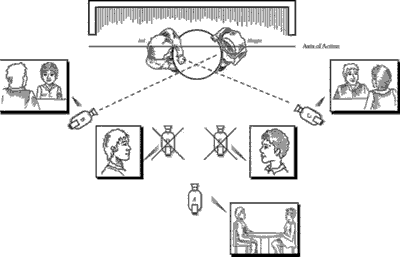
180 rule: It's a basic rule that means that two characters should always have the same left and
right relationship to each other. When a camera crosses the 'axis' connecting
to two subjects it is called 'crossing the line'. The new shot is called the
reverse angle


High Lighting: Is a style of lighting for film,
television, or photography that aims to reduce
the lighting present in the scene.
Low Lighting: Is a style of lighting for photography,
film or television.
It is a necessary element in creating a chiaroscuro effect.
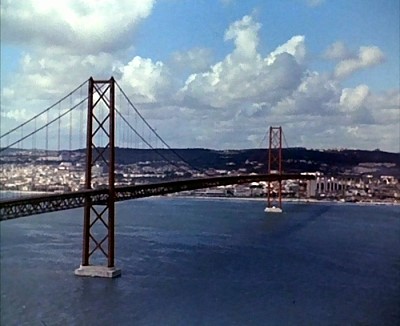
Aerial Shots: An exterior shot from
the air. Often used to establish a location.


Point of view shot: A shot that depicts
the point of view of a character so that we see exactly what they see. Often
used in Horror cinema to see the world through a killer's eyes.

Over the shoulder shot: A shot where the
camera is positioned behind one subject's shoulder, usually during a
conversation. It implies a connection between the speakers as opposed to the
single shot that suggests distance.

Pan: A shot where the camera moves continuously
right to left or left to right. An abbreviation of "panning". Turns
up a lot in car chases and on You've Been Framed.
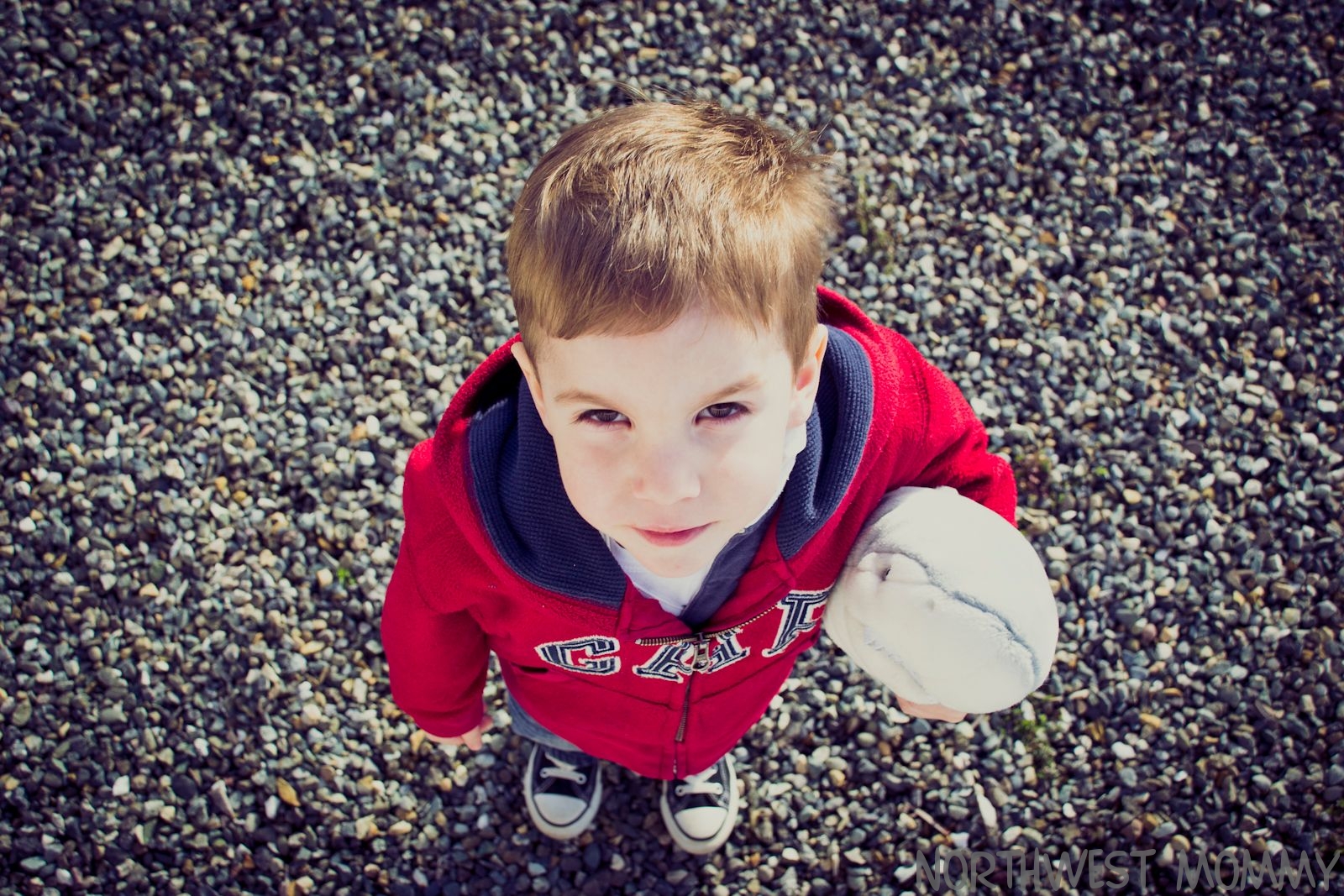
High angle: Shot looking down on a character or
subject often isolating them in the frame
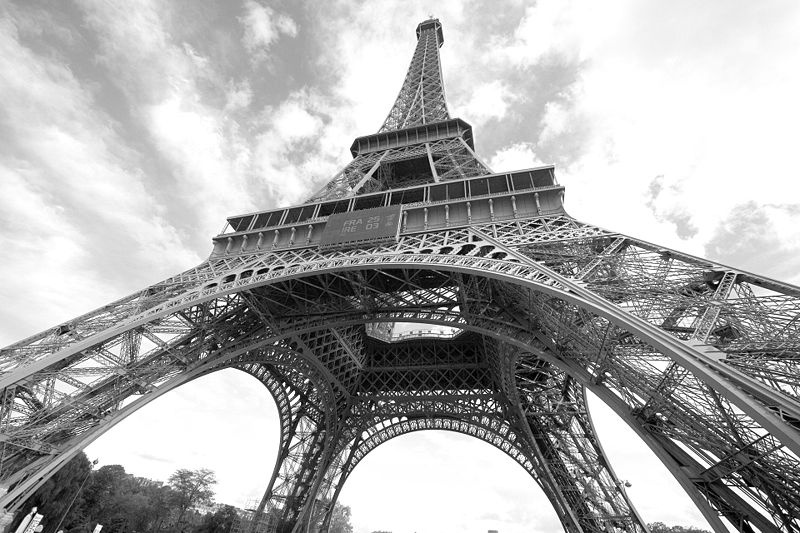
Low angle: A shot looking up at
a character or subject often making them look bigger in the frame. It can make
everyone look heroic and/or dominant. Also good for making cities look empty.
Canted angle: A camera angle
which is deliberately slanted to one side, sometimes used for dramatic effect
to help portray unease, disorientation, frantic or desperate action,
intoxication, madness, etc.


Tilt: A shot where the camera is tilted on its
side to create a kooky angle.


Track: A shot that follows a character and object
from behind, alongside or in front of them.


Dolly: A shot that sees the camera track forward
toward a subject while simultaneously zooming out creating a woozy, vertiginous
effect

Crane: A shot where the camera is placed on a
crane or jib and moved up or down.


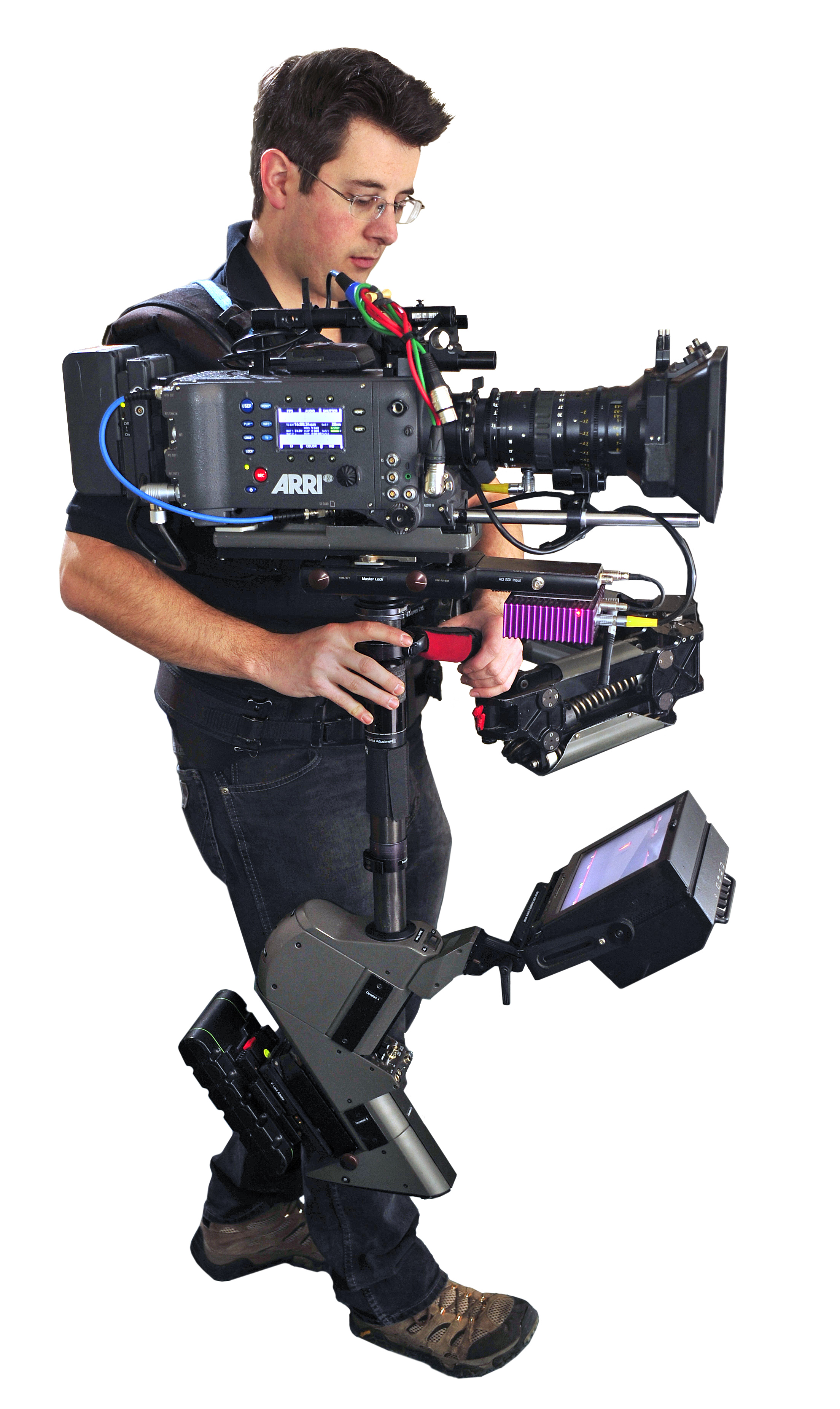
Steadicam: A shot from a
hydraulically balanced camera that allows for a smooth, fluid movement.
Hand- held: A shot in which the
camera operator holds the camera during motion to create a jerky, immediate
feel.
Zoom:
A shot deploying a
lens with a variable focal length that allows the cinematographer to change the
distance between camera and object without physically moving the camera.


Reverse Zoom: When you zoom out of
something.
Framing: The position from
which the image was created, for example the border between the space we
allowed to see and which is out of our sight.
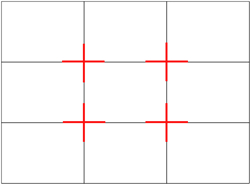
Rule of Thirds: The rule
of thirds is a concept in
video and film production in which the frame is divided into nine imaginary
sections. This creates reference points which act as guides for framing the
image.

Depth of field: The amount of the
distance between the nearest and farthest objects that appears in the
acceptably sharp focus of the photo.

Deep Focus: Is a photographic and cinematographic
technique using a large depth of field.


Shallow Focus: The
opposite of deep focus, where the depth of field is smaller keeping only one
plane in sharp focus.

Focus pulls: The focus pull is a creative camera technique in which
you change focus during a shot.
Usually this means adjusting the focus from one subject to
another. The shot below begins focused on the plant in the
foreground, then adjusts focus until the girl is
sharp.


Reverse shot: A
shot that views the action from the opposite side of the previous shot, as
during a conversation between two actors, giving the effect of looking from one
actor to the other.

Eyeline Match: Is a film editing
technique associated with the continuity editing system.
It is based on the premise that the audience will want to see what the
character on-screen is seeing.

Graphic Match: Is a cut in film editing between either two
different objects, two different spaces, or two different compositions in which
objects in the two shots graphically match, often helping to establish a strong
continuity of action and linking the two shots metaphorical
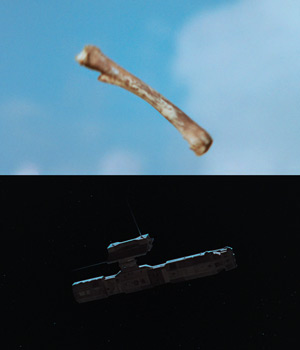
Action Match: That when something
happens in the scene then when there is a cut the same piece of action must be
going on.

Jump cut: Is a cut in film editing in which two
sequential shots of the same subject are taken from camera positions that vary
only slightly
Crosscutting: Is a drama technique
borrowed from the world of film editing, where two scenes are inter-cut to
establish continuity.

Parallel Editing: Is the technique of alternating two or more scenes that often
happen simultaneously but in different locations

Cutaway: In film and video,
a cutaway shot is the interruption
of a continuously filmed action by inserting a view of something else.

Dissolve: In the post-production process of film editing and video editing, a dissolve is a gradual
transition from one image to another

Fade in&
Fade out: Play media. A dissolve transition between two still
images. In the post-production process of film editing and video editing, a
dissolve is a gradual transition from one image to another.


Wipe:
A way of mixing from one image to another in
which neither fades, but the incoming image replaces the second in any of a
variety of ways, such as ‘opening up’ from the centre or rushing in from the side.
Superimposition:
Is the placement of
an image or video on top of an
already-existing image or video, usually to add to the overall image effect,
but also sometimes to conceal something

Long Take:
A long take or one is
an uninterrupted shot in a film which lasts
much longer than the conventional editing pace either of the film itself or of
films in general, usually lasting several minutes. Long takes are often
accomplished through the use of a dolly shot or Steadicam shot. Long takes of a sequence filmed in one shot without
any editing are rare in films.


Short take: A shot taken close up.

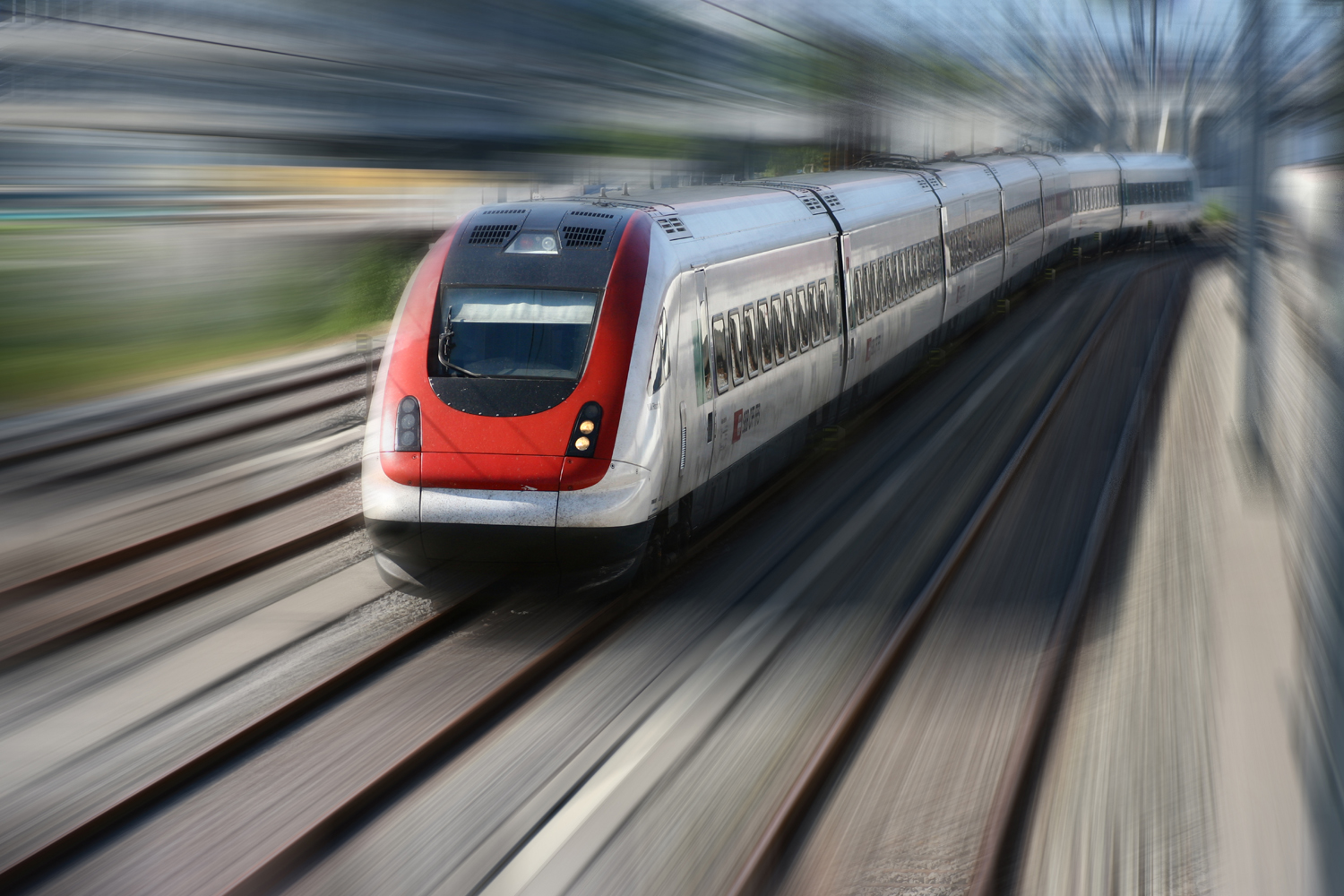
Fast Motion:
Action that appears to move faster than normal on the screen,
accomplished by filming the action at less than normal speed in the camera and
then projecting it at normal speed.

Ellipsis:
Is both a narrative device and the most
basic idea in film editing. Ellipsis concerns the omission of a section of the
story that is either obvious enough for the public to fill in or concealed for
a narrative purpose, such as suspense or mystery.
Expansion of time:
Post- production visual
effects: is part of the
process of film making, video production and photography. It occurs in
the making of motion pictures, television programs, radio programs, advertising, recordings,
photography, and digital art. It is a term for all stages of production occurring after shooting
or recording individual program segments.

Synchronous sound: Sound is sound that is matched to movements occurring in the scene e.g. when footsteps correspond to feet walking.
Asynchronous sound: Sound which makes the action being performed however is not precisely synchronised with the
action.
Sound effects: Sounds produced artificially for a
radio or television programme, a film etc.

Sound motif: It’s associated with a character or a place.


Sound Bridge: When the scene begins with the
carry-over sound from the previous scene before the new sound begins.


Dialogue: The things that are said by the characters in a story,
movie, play, etc. or a discussion or series of discussions that two groups or
countries have in order to end a disagreement.

Voice over: A
piece of narration in a film or broadcast, not accompanied by an image of the speaker: the budget is summarized in a voice-over at the end of the news.


Mode of Address: Mode of address is how the media shouts at the audience, for
example how music magazines are presented to the audience. There are four main
types of modes, in class I learnt about 1st person this can
be used in a diary because you’re talking about yourself as in “I and me”. As
well as 3rd Person where this can be used as a narrative.

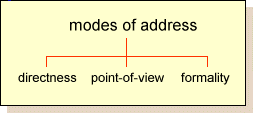
Direct Address: Looking directly at the person.

Sound Mixing: Mixing different type of music together.


Sound perspective: It helps us place a sound as either near or distant or
coming from a particular lace within diegesis.
Score: Is original music written specifically to
accompany a film. The score forms part of the film's soundtrack, which also usually includes dialogue and sound
Incidental Music: Music specifically written to be played at the same time as
the action of a film or play television programme.


Themes: Talking about what type of theme they want to
include.

Stings:
Ambient Sound: Means the background sounds which are present in a scene or location. Common ambient sounds include wind, water, birds, crowds, office noises, traffic, etc.
Location: Where you are going to film something or going to go.

Studio: Where some of the
recording is taking place.


Set Design: Designing and furniture’s and props for the filming.

Costumes: Clothing they use for the actors.


Make-up: Make-up for the
actors and so that they look there part.


Properties:


